

Definitely, you can power wash a grill, but you have to keep certain precautions in mind. Power washing is an effective method when it comes to cleaning a grill, especially for removing dirt, debris, grease, and grime, but you should use it with the right pressure and technique to keep any kind of damage on the grill’s surface.
Grilling season is one of the best times of the year—but when was the last time you gave your BBQ a deep clean? Over time, grills build up grease, charred food bits, and residue that can affect flavor and function. If you’ve ever wondered, “Can you pressure wash a grill?”—you’re not alone. Pressure Washing seems like a fast, satisfying solution to a messy job, but is it really safe?
Let’s dive into whether you can pressure wash grill grates, how to do it the right way, and what precautions to take so you don’t damage your equipment.
Key Takeaways
- You can pressure wash grill grates and exteriors—avoid burners and electronics.
- Don’t pressure wash cast iron grates—they rust easily.
- Always disconnect power or propane before cleaning.
- Pre-treat with a degreaser for best results.
- Use low to medium pressure, rinse well, and dry completely.
- Pressure wash 1–2 times per season—spot clean after each use.
- Check your grill manual before pressure washing.
- Cover your grill when not in use to prevent buildup.
- Keep pressure away from wires, knobs, and fragile parts.
Power Washing Situations:
For Tough Grime:
When you need to tackle stubborn grease and food build, especially on the grill’s interior.
For Exterior Cleaning:
You can also use it to clean the exterior of the grill. Just pay more attention to the painted or coated surfaces, as high-pressure power washing can cause damage.
Precautions and Tips:
Lower Pressure:
Set your power washer on a low-pressure setting and gradually increase the speed if needed. Refrain from using high pressure directly on delicate areas.
Degreaser:
Use a degreaser designed for grills, or an alternative is also available in the form of a diluted all-purpose cleaner to help break down grease before power washing.
Distance:
A safe distance of 6 inches or more must be maintained from the grill’s surface to prevent any kind of damage.
Targeted Cleaning:
Focus on areas with heavy buildup. For instance – inside of the lid or the interior walls of the grill.
Sensitive Areas:
Don’t spray directly on control knobs, electrical components, or areas with peeling paint.
Rinsing:
Rinse the grill thoroughly with fresh water after cleaning. It will help remove any remaining detergent or debris.
Drying:
Now dry the grill thoroughly with a clean cloth or run it on low heat for a few minutes.
Manual Cleaning:
In addition to power washing, use a scraper or brush to remove stubborn carbon deposits.
Is It Safe to Pressure Wash a Grill?
Can you pressure wash a grill? The main concern here is safety. Different parts of the grill should follow different cleaning methods.
Grill Grates
You can pressure wash grill grates. However, you have to be careful not to damage the seasoning on cast iron gates. Porcelain-coated gates and stainless steel are generally safe. But dry them thoroughly after washing to prevent rust.
Exterior Surfaces
The exterior housing of most grills, particularly those made of stainless steel or powder-coated metals, can be safely pressure washed. Just be cautious around painted or plastic components, as pressure can chip paint or deform plastic.
Burners & Electronics
Don’t pressure wash burners and electronics together. These components get damaged by high-pressure washing. What you can do is – use a soft brush and gentle cleaning products to clean these areas.
The best advice to follow when you think about whether to pressure wash the grill or not is to check the instructions of the grill’s manufacturer before pressure washing any part of it. Some materials, like cast iron, may require special care to maintain their seasoning and prevent rust.
How to Clean a Grill With a Pressure Washer?
Pressure washing grill grates is an excellent method to remove stubborn grime, only if you follow certain steps. Here is the step-by-step process of how to do it right –
Disconnect Fuel With Power
Safety always comes first. If your grill uses propane, it’s time to disconnect the tank. If you have electric grills, unplug the unit. Ensure all the valves are off, and let the grill completely cool before you start.
Remove Grates & Trays
Take out the grill grates, grease trays, and flavorizer bars. Clean these parts separately and more thoroughly if they are laid flat on the ground.
Pre-Treat With Degreaser
Spray a grill-safe cleaning solution or a degreaser on the grates and greasy areas. Allow it to sit for 10-15 minutes to break down oil and residue before pressure washing.
Keep the setting of the pressure washer on low or medium
Attach a 25- or 40-degree nozzle to your pressure washer. Hold the wand at a 2-foot distance and move it steadily over the surfaces to avoid denting or damaging the grill.
Rinse Thoroughly
Wash away the soap and loosen the grime completely. If needed, flip grates & trays to rinse on both sides.
Dry Everything Completely
After washing the grates with soap, dry everything completely using a clean towel or let it air-dry in the sun. Moisture can lead to rust, especially on case iron or internal components.
Reassemble & Reconnect
Once everything is dry, reassemble your grill. Reconnect the propane or power only when you are sure the grill is dry and ready for use.
Best Practices for Grill Maintenance
Pressure washing is a powerful method – but you cannot decide to steer clear of the regular maintenance. Follow these best practices for grill maintenance –
Pressure wash only 1–2 times per season
There is no denying the fact that power washing is an effective way to clean the grill, but you don’t have to do it frequently. Overwashing can wear out surfaces and damage the protective coatings. It is best to pressure wash grill grates 1-2 times per season. Supplement it with light cleaning after each use, and you will be good to go. If you’re considering outsourcing the task, understanding the cost of pressure washing in Sandiego can help you decide between a DIY approach and hiring a pro. On average, it’s affordable to hire a pro as it is often bundled with other outdoor cleaning services.
Clean grates with a brush after every use
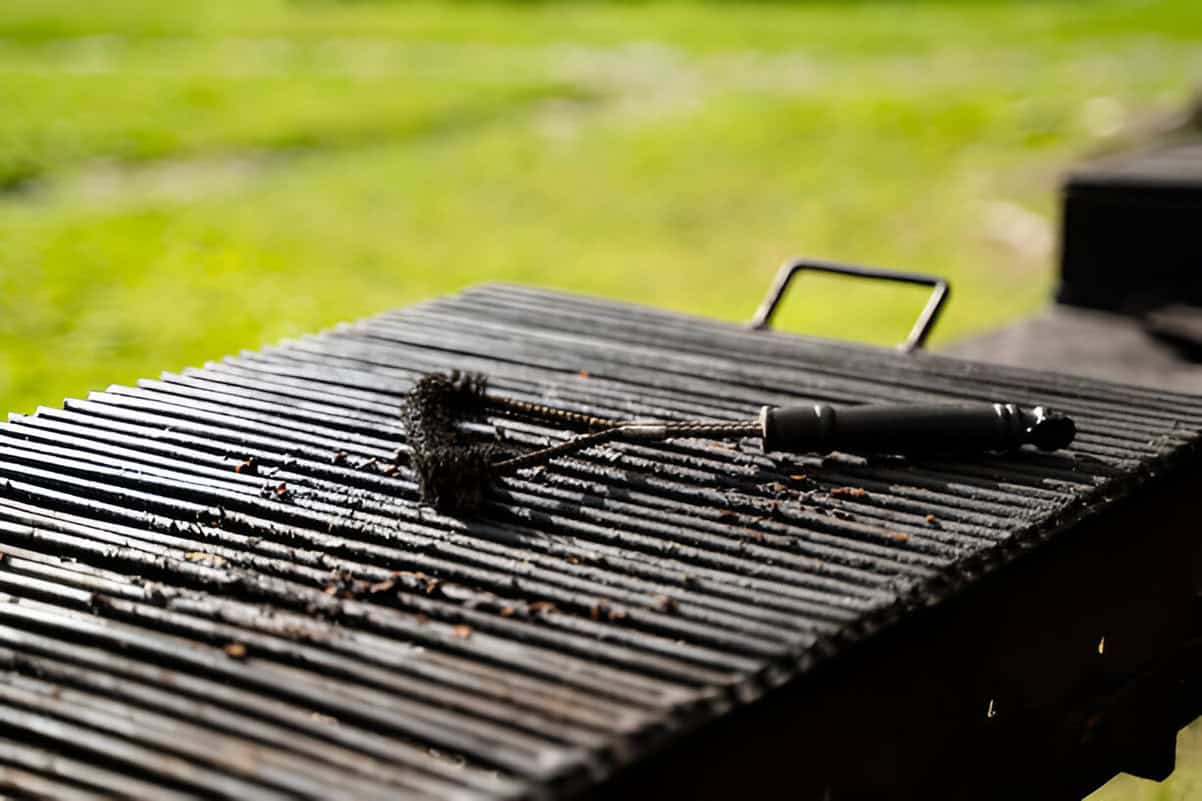
Scrub your grill grates with a brass bristle brush after every use to prevent food residue or carbon buildup. For porcelain grates, use a nylon brush to avoid scratches. As a result, it will make it easier to clean your grill and prevent any stubborn stains.
Cover your grill when not in use to reduce buildup
Use a high-quality grill cover to reduce buildup and prevent damage from the elements when not in use. It protects your grill from dirt, rain, and UV damage, reducing the need for deep cleaning and preventing rust.
Importance of Professional Pressure Washing Services
While regular cleaning and maintenance are essential, professional services can provide a deeper level of cleaning and inspection. Consider hiring a professional to inspect and maintain your grill, especially if you’re unsure about how to clean or maintain specific parts.
If you’re looking for professional pressure washing in San Diego, our team of experts can help you clean your grill and other outdoor surfaces with ease. It’s been 32 years that we have been in a professional and reliable pressure washing business, and we have thousands of satisfied customers. Our services can help extend the lifespan of your grill and ensure it continues to function safely and efficiently.
Pros Of Pressure Washing a Grill
- Effective Cleaning: Pressure washing can be an effective way to remove grease and food residue from your grill.
- Time-Saving: This method saves you time and effort compared to cleaning your grill by hand.
- Thorough Cleaning: Pressure washing can reach areas that are difficult to clean by hand, ensuring a thorough cleaning.
Cons Of Pressure Washing A Grill
- Potential Damage: Pressure washing can damage certain materials, such as cast iron or delicate surfaces.
- Rust Prevention: If not dried properly, pressure washing can lead to rust on certain surfaces.
- Safety Concerns: Pressure washing can be hazardous if not done properly, especially around electrical components.
Conclusion
In a nutshell, pressure washing is a safe and effective way to clean your grill, but it’s essential to follow some best practices and take necessary precautions. By understanding the safety concerns and following the steps outlined above, you can keep your grill in top condition and ensure a safe and enjoyable grilling experience.
Contact San Diego Pressure Washing today to have expert, safe, and efficient cleaning services. Let our team of experts help you clean your grill and other outdoor surfaces with ease, ensuring a safe and enjoyable outdoor living experience. Visit our website for more insights.
Frequently Asked Questions
What is the best way to clean a grill?
The best way is to scrub the grates with a grill brush after each use and deep clean seasonally with a degreaser and water. Pressure washing can be used occasionally for a thorough cleaning.
Where should you not use a pressure washer?
Avoid using a pressure washer on delicate surfaces like electrical panels, old wood, windows, and vehicles’ engines. High pressure can damage or force water into sensitive areas.
Can I pressure wash with just water?
Yes, you can pressure wash with just water, especially to remove loose dirt. However, adding a degreaser or cleaning solution helps break down grease and grime more effectively.
How to clean a rusty grill?
Use a wire brush or steel wool to scrub off surface rust, then apply a grill-safe degreaser. For deeper rust, soak parts in vinegar or baking soda solution and rinse thoroughly.
Does lemon juice help clean a grill?
Yes, lemon juice’s natural acidity helps break down grease and light rust. Combine it with salt or baking soda for added scrubbing power on grates and surfaces.
