
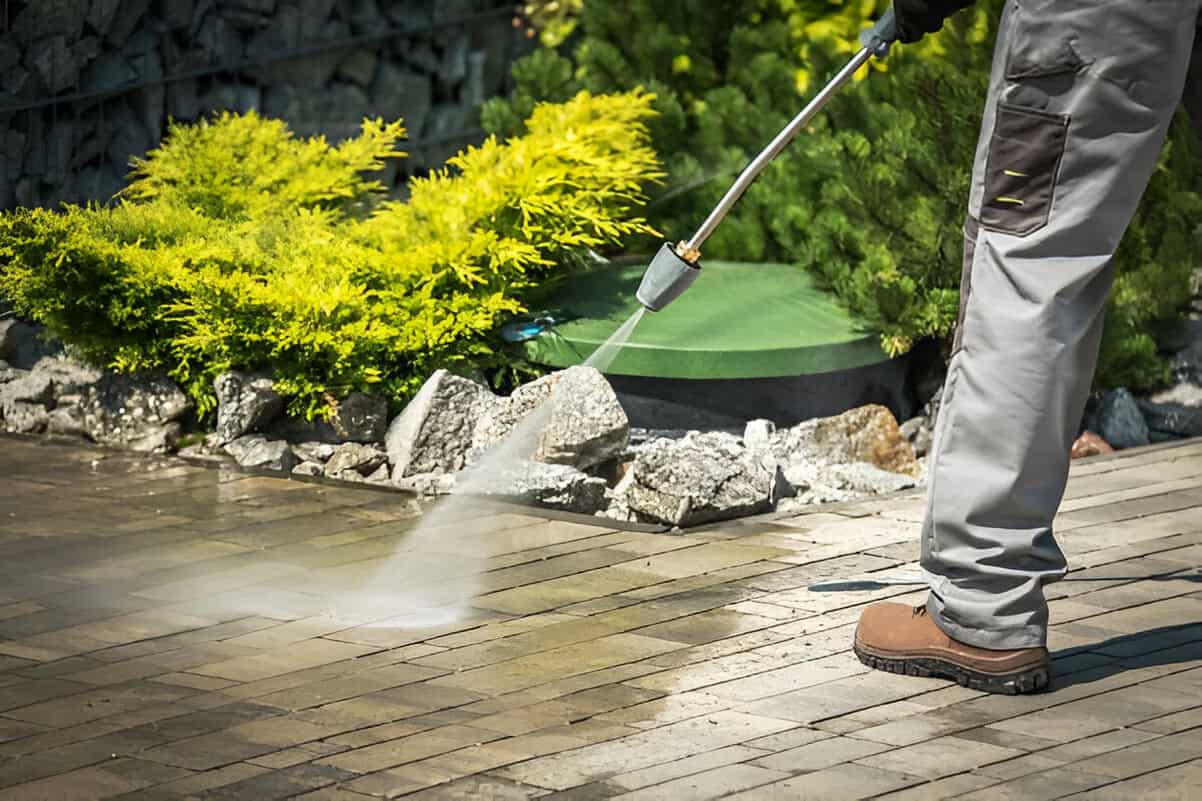
To pressure wash a driveway effectively, first clear away any dirt or debris. Apply a cleaning solution made for concrete. Use a 25-degree nozzle for even cleaning and move the spray in long, overlapping strokes. Keep the nozzle at the same distance from the surface as you work. Once done, rinse everything thoroughly. For added protection, seal the concrete after it dries.
A clean driveway doesn’t just enhance your home’s curb appeal—it also extends the life of your concrete and helps prevent dangerous buildup of grime, algae, and oil. Whether you’re preparing to sell your home or just want a fresh look, pressure washing your driveway can make a huge impact. Here we have come up with the steps to pressure wash a driveway like a professional.
Key Takeaways
- Clear the surface before you start.
- Pre-treat stains for better cleaning.
- Use a 25° nozzle for ideal pressure.
- Test a small area first.
- Wash in sections with overlapping strokes.
- Rinse and check for missed spots.
- Seal the concrete after drying.
- Wash every 6–12 months.
- Use soft washing on delicate surfaces.
- Wear safety gear—never spray yourself.
- DIY costs $50–$100/day; pros start at $100.
- Hire experts for fast, safe results.
Easy Steps to Pressure Wash a Driveway
Pressure washing a house and driveway is simple if you follow a clear step-by-step process. Here are the steps that will guide you to achieve a professional-looking result.
Clear the Driveway
Begin by removing cars, furniture, and any movable objects from the driveway. Sweep off leaves, dirt, and pebbles. This step is crucial because small objects can become dangerous projectiles when hit by high-pressure water. Clean surfaces also ensure the pressure washer focuses on grime, not debris.
Pre-Treat Stains
Apply a concrete-safe degreaser or stain remover to target tough spots like oil, rust, or tire marks. Let it sit for 10–15 minutes so it can break down the buildup. This pre-treatment step boosts the effectiveness of pressure washing and saves you from going over the same spot multiple times.
Set Up Your Pressure Washer
Attach your garden hose to the pressure washer, ensuring all fittings are tight. Use a 25-degree green nozzle—ideal for cleaning large, flat surfaces like driveways without causing damage. Make sure your machine has at least 3,000 PSI for concrete surfaces, and confirm it’s properly fueled or charged.
Test Spray in a Small Area
Before going all in, test the spray in an inconspicuous spot. This ensures your pressure settings won’t etch or damage the concrete. Stand about 12–18 inches from the surface and adjust your distance until you find the right cleaning strength.
Wash in Sections
Divide your driveway into manageable sections. Use a steady side-to-side sweeping motion and overlap slightly to avoid streaks. Take your time; rushing leads to uneven cleaning. For tougher areas, go over them slowly or consider using a surface cleaner attachment for even results.
Rinse Thoroughly and Inspect
After completing each section, thoroughly rinse away any detergent or loosened grime. Inspect the surface for missed spots or areas needing another pass. Let it dry completely before using the driveway or applying a sealer.
Seal Concrete
Once dry, consider sealing your driveway with a concrete sealer. This protects it from future stains, weather wear, and mold. Sealing is especially useful if you live in a region with harsh weather or high foot traffic. It also helps maintain that just-cleaned look longer.
How Often Should You Pressure Wash Your Driveway?
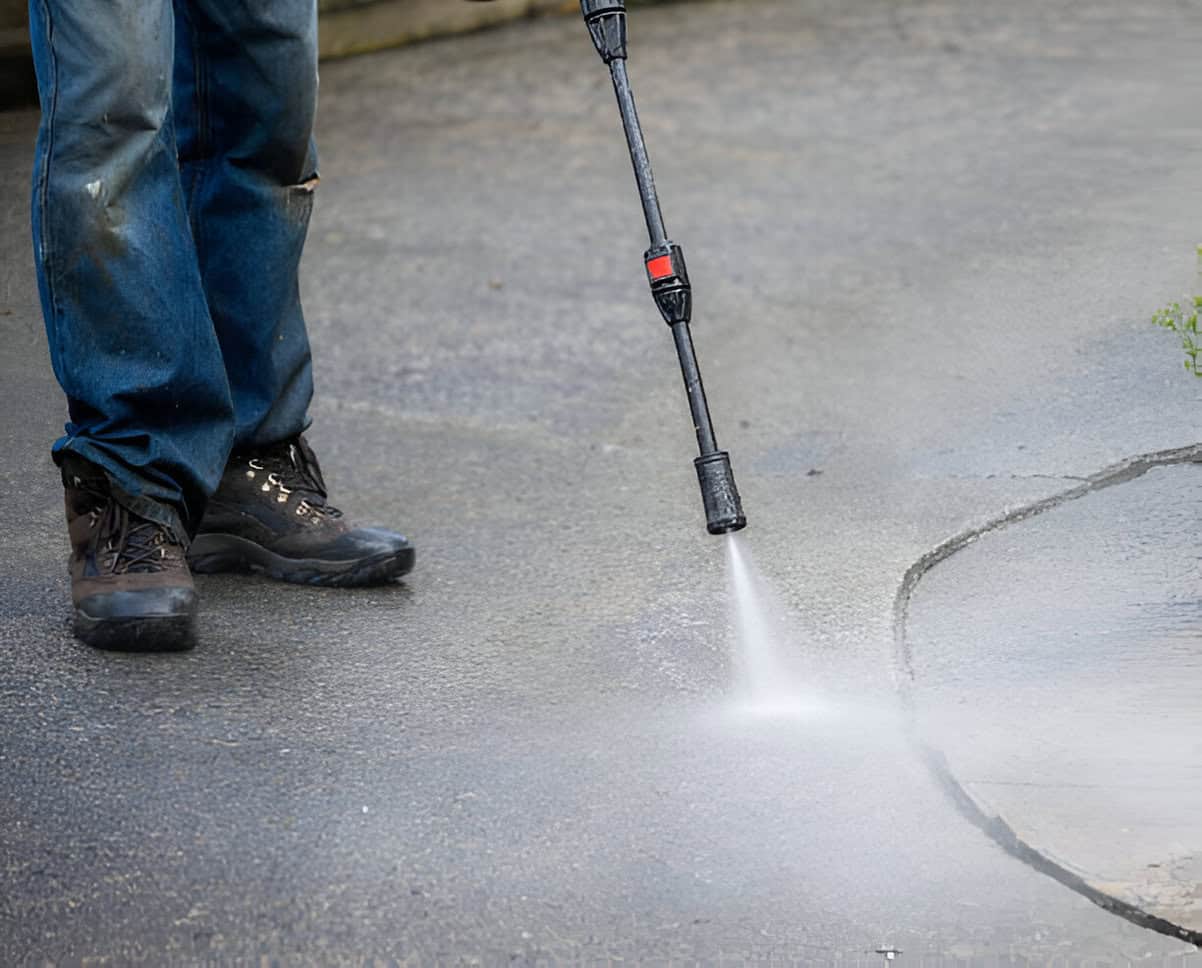
The frequency of pressure washing your driveway depends on your climate and usage. In areas with high pollen, salt exposure, or frequent rain, like San Diego, washing every 6–8 months is ideal. For moderate use, an annual cleaning typically suffices.
If your driveway accumulates a lot of oil stains or algae, you may need to increase the frequency. Regular cleaning not only improves appearance but also prevents long-term damage and slippery surfaces.
Bonus Tips: Pressure Washing Beyond the Driveway
If you’re already out with your pressure washer, consider tackling other areas:
- Pressure washing a house (at a lower PSI) can remove years of dirt and grime.
- When working on delicate surfaces like cleaning stucco with pressure washing, use a low-pressure setting or switch to soft washing.
- For older properties, especially pressure washing in a brick house, proceed with caution to avoid mortar damage.
- When comparing soft washing vs pressure washing, remember: soft washing uses low pressure with chemicals—great for siding and roofs—while pressure washing relies on water force, perfect for concrete and stone.
- And always prioritize safety! Understanding how to avoid a pressure washer injury is essential. Never aim the nozzle at yourself or others, wear closed-toe shoes, and use eye protection.
What About Cost?
You might be wondering: What’s the pressure cleaning cost in San Diego?
Professional driveway pressure washing can range from $100 to $500, depending on the size, surface condition, and whether you’re combining it with house or roof cleaning. DIYing it with rented equipment may cost around $50–$100 per day, plus detergent and accessories.
If your schedule’s tight or you want flawless results, hiring experts is often the smarter (and safer) choice.
Conclusion
Learning how to pressure wash a driveway is a simple yet powerful skill that instantly improves your home’s appearance. By following the steps—clearing, pre-treating, washing, rinsing, and sealing—you protect your investment while keeping your space looking its best.
From removing oil stains to brightening up the entire entryway, pressure washing is one of the most effective and rewarding home maintenance tasks you can do.
Now is the time to let the experts handle it for you. Visit San Diego Pressure Washing for professional-grade cleaning with zero hassle. Whether you need driveway cleaning, house washing, or soft washing in San Diego, we’ve got you covered! What are you waiting for? Get a Free Quote from Best pressure washing in San Diego for expert service.
Frequently Asked Questions
What do you spray on a driveway before pressure washing?
A concrete cleaner or degreaser is typically sprayed before pressure washing to break down oil stains, mold, and grime. Let it sit for 10–15 minutes before rinsing or scrubbing.
What chemicals are needed to pressure wash a driveway?
Use a concrete-safe detergent or degreaser—often sodium hypochlorite (bleach-based) or biodegradable cleaners. Avoid harsh acids unless specified for concrete use.
How much PSI is required to pressure wash a driveway?
For driveways, a pressure washer with 3,000–3,500 PSI is ideal. It’s strong enough to clean concrete without causing surface damage when used correctly.
What is the best technique for pressure washing?
Use a 25° nozzle, hold the wand 12–18 inches from the surface, and clean in steady, overlapping strokes. Always test a small spot first to avoid damage.
When not to use a pressure washer?
Avoid pressure washing fragile surfaces like old bricks, cracked stucco, roofs, or painted wood. It’s also not safe to use near electrical panels or loose wiring.
What is the lifespan of a pressure washer?
With proper maintenance, a residential pressure washer lasts 5–10 years. Commercial models may last longer, especially with regular servicing and part replacements.
