

Your roof quietly endures scorching sun, pounding rain, and howling winds—all to keep your home safe and dry. Yet, it’s often one of the most overlooked parts of the house until a leak appears or shingles go missing. Like any hardworking part of your home, your roof needs regular checkups to keep performing at its best. Ignoring minor issues can lead to major problems—costly repairs, energy loss, and even structural damage.
That’s where a solid roof maintenance checklist comes in. It helps you catch the small stuff before it becomes big trouble. So, if you want to keep your roof strong, secure, and leak-free, it’s time to roll up your sleeves and give it the attention it deserves.
Key Takeaways
- Regular roof maintenance extends your roof’s lifespan and protects your investment.
- Ignoring minor issues today can lead to costly repairs tomorrow.
- A clean roof is a healthy roof—keep debris and mold at bay.
- Interior leaks or stains are early signs of roof trouble—don’t ignore them.
- Damaged flashing or cracked joints can cause serious leaks—inspect often.
- Proper ventilation reduces moisture buildup and prevents mold growth.
- Trimming overhanging branches helps avoid physical damage and pest access.
- Ice dams in cold climates can lead to hidden leaks—ensure good insulation.
- Check expansion joints, soil stacks, and drainage systems regularly.
- Hire a professional when there’s sagging, persistent leaks, or storm damage.
- Routine maintenance = safety, energy efficiency, and peace of mind.
- For expert help, consider professional services like roof cleaning in San Diego.
Why Regular Roof Maintenance Matters?
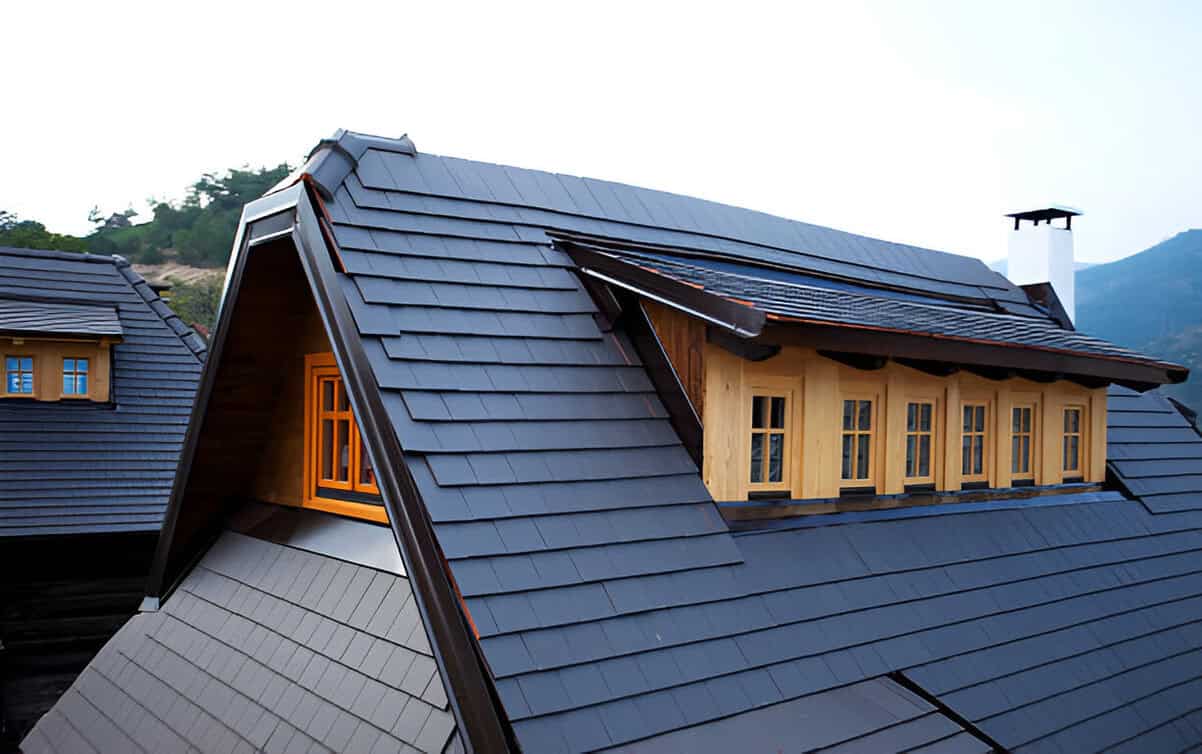
Not paying attention to roof maintenance gives rise to significant issues. Some examples are – leaks, energy inefficiency, and structural damage. On the other hand, if you maintain it regularly, you realize many benefits –
Extend the lifespan of the roof
Residential roof maintenance is a big investment that extends the lifespan of your roof as well as your property. A regular roof maintenance program keeps it protected the whole season and makes the overall building desirable for future buyers. Spending a little money on roof maintenance not only helps it last longer, but also delays the need for a full replacement. However, if you’re unsure about the condition of your current roof, here’s a helpful guide on when should you replace a roof to better understand the signs to look for.
Enhance energy efficiency
A damaged roof increases your energy bills as it forces your HVAC system to work harder. Proper roofing ensures proper ventilation and enhances the building’s energy efficiency capability. The energy efficiency of roofing can be increased by sealing gaps, reflective roof coatings, etc. Optimizing the roofing system’s performance definitely results in cheaper utility bills.
Prevents costly repair
The next in the list of benefits of roofing maintenance is addressing minor repairs before they change into major problems. When you don’t get your roof checked for a longer period, several issues can occur. For instance – corrosion in certain areas. And if you don’t identify them timely, they can spread across the metal sheet and can lead to costly repairs. So, roof maintenance is important to prevent costly repairs.
Ensure safety
A well-maintained roof is safer for the people living in the building. Structural issues can pose safety risks, which could be mold growth, water leaks, etc. Regular roofing maintenance ensures the structural integrity of your roof, keeping your home safe for occupants.
Roof Maintenance Checklist
Implementing a consistent maintenance routine is crucial. Here’s a roof maintenance checklist to guide you –
Check for Cleanliness
The roof maintenance checklist is incomplete without this tip. Check for accumulated dirt and debris on the roof, as they can clog drains and make the roofing surface decay prematurely. Experts recommend cleaning the roof twice a year to prevent any kind of mold growth or damage to the roof membranes or elements.
Interior Inspection
Before you choose to have roofing maintenance, examine the interior of your building for any signs of water damage like drips and leaks, peeling paint, stains, mold, or mildew. If you find even the smallest of any such signs, get it addressed.
Inspect Flashing
Flashing seals the joints and edges of the roof. Check them for cracks, rust, or separation from the roof surface, as damaged flashing can lead to leaks.
Check the Roof Surface
Check if there are signs of damage or weathering on the roof. One of the biggest red flags you can spot on the flat roof is the low spot that collects standing water. Notice signs of cracking, blistering, abrasions, holes, or deep scratches. Also, look if there are any loose, missing, or damaged pieces.
Expansion Joints
Inspect expansion joints for cuts, gaps, or tears. Damaged joints can compromise the roof’s ability to handle structural movement, leading to leaks or cracks.
Examine the Soil Stack
Check the rubber boots around vent pipes for cracks or deterioration. Damaged boots can allow water to seep into your home, causing interior damage.
Trim Overhanging Branches
Branches that hang over your roof can scrape against shingles, deposit debris, and provide access for pests. Regularly trim these branches to prevent damage.
Beware of Ice Dams
In colder climates, ice dams can form at the roof’s edge, preventing melting snow from draining. This can lead to water backing up under shingles, causing leaks. Ensure proper insulation and ventilation to mitigate this risk.
Open Ventilation
Ensure attic vents are unobstructed to allow proper airflow. Adequate ventilation prevents moisture buildup, reducing the risk of mold and extending the life of roofing materials.
Avoid Downspout Discharge on Roof
Ensure downspouts direct water away from the roof and foundation. Water discharged onto the roof can lead to erosion and damage over time.
When to Hire a Professional?
You can consider DIY roof cleaning and roof maintenance tips, but certain situations come with challenges. That’s where you should get help from the professionals. Here are the situations when you should take expert advice –
Persistent Leaks: If you notice ongoing water intrusion despite repairs.
Sagging Roof: Visible sagging indicates structural issues that require immediate attention.
Extensive Damage: After severe weather events, a professional assessment ensures all damage is identified and addressed.
Hiring a roofing expert for roofing maintenance provides peace of mind. Professionals have the tools and knowledge to detect hidden issues and perform repairs safely and effectively. For specialized services, consider roof cleaning in San Diego and revitalize your property’s exterior.
Conclusion
Regular roof maintenance is essential for protecting your home, enhancing energy efficiency, and avoiding costly repairs. By following the above-mentioned checklist, you ensure your roof remains in top condition year-round.
San Diego residents can seek expert roofing maintenance services from Pressure Washing in Sandiego. They offer expert roofing maintenance options for our customers, matching their needs. Let us work towards the long-term protection of your home.
Frequently Asked Questions
-
What is the standard life of a roof?
The lifespan of a roof depends on its material. Asphalt shingles last around 20–30 years, metal roofs can last 40–70 years, while clay tiles and slate can exceed 100 years with proper maintenance.
-
What damages the roof the most?
The biggest culprits are extreme weather conditions—heavy rain, hail, snow, and UV rays. Poor ventilation, moss growth, and debris accumulation can also accelerate roof deterioration over time.
-
How do you waterproof a terrace roof?
Waterproofing involves applying a waterproof membrane or coating, such as bitumen or acrylic-based solutions. Cracks and joints are sealed to prevent water seepage, ensuring long-lasting protection.
-
Is roof cleaning necessary?
Yes, regular roof cleaning removes moss, algae, debris, and dirt that can degrade roofing materials. It prevents water damage, improves appearance, and extends the roof’s lifespan — especially when you know how to remove moss from roof.
-
What type of roof cleaning is best?
Soft washing is generally considered the safest and most effective method. Unlike when you pressure wash roof shingles — which can cause damage — soft washing uses low-pressure water and eco-friendly solutions to clean the roof without harming the shingles or tiles.
