
When it comes to maintaining a property’s curb appeal, the difference between a pristine exterior and a deteriorating one often comes down to a single decision: the method of cleaning. For homeowners and property managers, the debate between soft washing and traditional pressure washing is more than just a matter of “dirt removal.” It is an engineering choice that directly impacts the structural integrity of your building envelope.
In high-value markets, choosing San Diego Pressure Washering experts who understand the nuances of substrate-specific care can mean the difference between a minor maintenance bill and a $30,000 stucco replacement. This guide provides an expert-level analysis of how to protect your most delicate surfaces—specifically stucco and specialized roof tiles—using modern cleaning methodologies.
1. The Technical Dichotomy: Mechanical Force vs. Chemical Precision
To the untrained eye, all exterior cleaning looks the same: water hitting a wall. However, the physics of these two methods are worlds apart.
The Mechanics of Traditional Pressure Washing
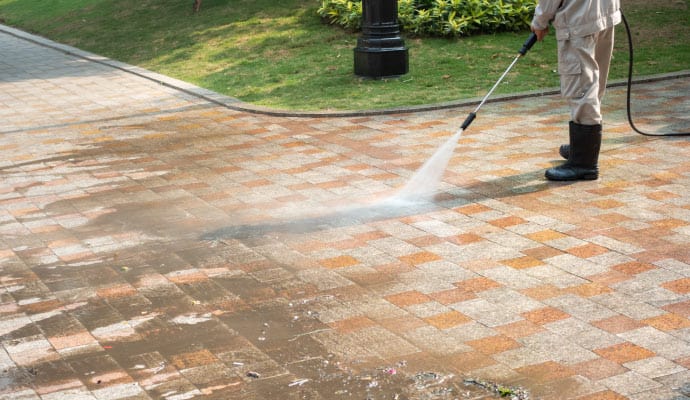
Traditional pressure washing relies on sheer kinetic energy. By forcing water through a narrow nozzle at intensities ranging from 1,500 to 4,400+ pounds per square inch (PSI), it physically dislodges contaminants. While this is highly effective for high-density, non-porous materials like aged concrete or metal industrial equipment, it poses a catastrophic risk to modern building materials. At 4,000 PSI, a water jet can induce deep punctures and permanent scarring on wood or vinyl.
The Science of Soft Washing
Soft washing represents a paradigm shift from mechanical force to chemical remediation. This method utilizes a pressure threshold of 500 PSI or less—roughly the intensity of a heavy rainstorm—and wide-angle nozzles to ensure the hydraulic impact remains below the tensile strength of the material. Instead of “blasting” dirt, soft washing relies on “dwell time.” Specialized soft wash solutions are applied to the surface to neutralize organic growth like mold, algae, and lichen at the root.
Comparative Specification Matrix
| Feature | Soft Washing | Pressure Washing |
| Operating Pressure | < 500 PSI | 1,500 – 4,400+ PSI |
| Primary Mechanism | Chemical Biocides | Mechanical Force |
| Result Longevity | 12 – 24 Months | 3 – 6 Months |
| Surface Safety | High (Delicate Substrates) | Low (Risk of Etching) |
2. Protecting the Stucco Envelope: EIFS and Traditional Plaster
Stucco is one of the most popular exterior finishes, but it is also one of the most misunderstood. Modern “synthetic” stucco, known as Exterior Insulation and Finish Systems (EIFS), is a multi-layered assembly that is extremely vulnerable to high pressure.
Why High Pressure Destroys Stucco
EIFS consists of an insulation board, a base coat with fiberglass mesh, and a thin acrylic finish. Because EIFS is a “barrier system,” it lacks the natural drainage gaps found in other sidings.
When subjected to high-pressure washing, several failure modes occur:
-
Water Infiltration: High-velocity jets force water into micro-cracks or behind the acrylic finish, where it becomes trapped. This leads to substrate decay and internal rot of wooden sheathing.
-
Biological Proliferation: Trapped moisture creates a perfect environment for internal mold growth, which can severely impact indoor air quality.
-
Punctures and Delamination: The force can strip the finish coat directly from the mesh or create holes in the soft insulation board underneath.
Professional exterior cleaning experts recommend a maximum pressure of 300 PSI and a minimum nozzle distance of 24 inches for any stucco surface.
3. The Fragility of Roofing: Concrete, Clay, and Slate
Your roof is designed to manage gravity-led water shed, not lateral or upward forces from a pressure wand.
Concrete Tile Degradation
Concrete tiles are finished with “fines”—a mixture of Portland cement and pigments—to create a smooth, protective layer. High-pressure washing physically strips these fines, exposing the underlying sand and aggregate. This results in irreversible color loss and dramatically increases the tile’s porosity. A porous tile retains more moisture, which accelerates the regrowth of moss and algae, creating a cycle of increasingly frequent (and damaging) cleanings.
Slate and Clay Tile Risks
Natural slate is exceptionally brittle. High-pressure systems often cause delamination—the splitting of the natural stone layers—and cracking. Once the protective glaze of a clay tile or the integrity of a slate tile is compromised, the material’s lifespan can be reduced by decades.
| Roof Material | Unmaintained Lifespan | Post-Pressure Wash | Post-Soft Wash |
| Concrete Tile | 50 Years | 40 Years | 55 – 60 Years |
| Clay Tile | 60 Years | 45 Years | 65 – 70 Years |
| Natural Slate | 100+ Years | 70 Years | 110+ Years |
4. Regional Challenges: Salt Air and Red Clay
Environmental factors vary by geography, requiring specialized professional pressure washing services tailored to local conditions.
The San Diego Coastal Effect
In regions like Point Loma and La Jolla, the “marine layer” carries salt mist inland. Salt is hygroscopic; it absorbs moisture from the air and traps it against the stucco. Over time, salt crystals expand (a process known as “rust jacking”), which can attack the galvanized wire lath inside your walls and cause major cracking. Regular low-pressure rinsing is essential to neutralize these deposits before they necessitate a full repaint.
The Heartland’s Red Clay and Dust
In Central Kansas, property owners face high-insolubility stains from red clay. Because red clay contains iron oxide (rust), it cannot be removed with water alone. Attempting to “blast” red clay with high pressure often drives the particles deeper into the masonry pores. Effective remediation requires acidic-based cleaners applied via a soft wash system to break the molecular bond of the iron oxide.
5. Chemical Engineering: The Math of Clean
The efficacy of soft washing is rooted in precise chemical ratios. The primary biocide used is Sodium Hypochlorite (SH), typically purchased at a 12.5% concentration.
To achieve a specific “hit strength” (the percentage of SH that contacts the surface), technicians use a standard dilution formula:
.
| Substrate | Target SH Strength | Mix Ratio (12.5% SH) |
| Vinyl Siding | 1.0% | 1 Part SH : 11.5 Parts Water |
| Stucco / EIFS | 2.5% | 1 Part SH : 4 Parts Water |
| Roof Tiles | 4.0% – 5.0% | 1 Part SH : 2 Parts Water |
Surfactants are added to these mixes to reduce the surface tension of the water, allowing the solution to “cling” to vertical surfaces and provide the necessary 5- to 10-minute dwell time required to kill organic spores.
6. Economic Impact: ROI of Curb Appeal and Prevention
Exterior maintenance is not just a cost; it is an investment in asset preservation.
Real Estate Valuation
Data from the National Association of REALTORS® (NAR) for 2025 shows that curb appeal is the #1 factor in attracting buyers. Improving a home’s exterior through residential and commercial cleaning can increase the dollar value offered by 1% to 10%. For a $500,000 home, a $600 soft wash could potentially net an additional $5,000 to $50,000 at closing.
The Cost of Neglect
The financial delta between prevention and repair is staggering. Localized EIFS repairs cost between $30 and $50 per square foot, while a full stucco replacement for a 2,000 sq. ft. home can reach $34,000.
| Maintenance / Repair Scenario | Estimated Cost (2025) |
| Professional Full House Soft Wash | $350 – $700 |
| Professional San Diego Pressure Washers | $450 – $900 |
| Minor Stucco Patching (10 sq. ft.) | $300 – $500 |
| Major EIFS Water Remediation | $5,000 – $10,000+ |
| Full House Stucco Replacement | $14,000 – $34,000 |
7. Safety, Compliance, and Environmental Ethics
Hiring a professional is also about managing liability.
OSHA Compliance
Professional cleaning involves high-pressure water (which can cause lacerations and punctures), hazardous chemicals, and work at heights. OSHA 29 CFR 1910 mandates specific PPE, including ANSI Z87-compliant eye protection and chemical-resistant gloves.
The Clean Water Act
The discharge of polluted wash water into storm drains is strictly prohibited by federal and municipal laws. Unlike the sanitary sewer, storm drains often lead directly to local water bodies like the Arkansas River or the Pacific Ocean without treatment. Professional technicians use Best Management Practices (BMPs), such as sealing storm drains with magnetic mats and directing neutralized runoff into vegetated areas.
Conclusion: Preservation Over Power
The evolution of building materials has made traditional high-pressure washing obsolete for many modern homes. For specialized architectural systems like EIFS and tile roofing, soft washing is the only viable method for ensuring long-term substrate integrity. By prioritizing chemical precision over mechanical force, property owners can achieve a deeper clean that lasts four to six times longer while protecting their investment from catastrophic hydraulic damage.
Whether you are battling the salt air of the coast or the agricultural dust of the plains, the evidence is clear: gentle, biocide-driven maintenance is the key to preserving the beauty and value of your property for decades to come.
